
"Design-Led Projects" - Why Starting With Design Changes Everything

Updated: Apr 9
(And Why Most People Start in the Wrong Place)
When people think about updating their home, they usually do one thing first:
They look for a contractor.
They ask friends.
They search online.
They start getting quotes.
It feels like the logical first step.
But here’s the part no one tells you:
Starting with construction often means you’re starting in the middle of the process, not the beginning.

Let’s Be Clear: Contractors Are Essential
We work with incredible contractors and builders.
Their skill, experience, and craftsmanship are what bring a project to life.
We couldn’t do what we do without them.
But contractors are there to execute the plan. Not define it.
So What Happens When You Start With a Contractor?
You begin with execution before direction.
You might say:
“We want to update the kitchen”
“We’re thinking about redoing this space”
“Maybe we take down this wall?”
And from there, things move forward.
But without a design-led plan, a few things tend to happen:
1. Decisions Get Made Under Pressure
Materials. Finishes. Layout tweaks.
Instead of being thoughtfully planned, they’re often decided:
Quickly (and you, the client, make all of the decisions)
Reactively (you may feel pressured and without guidance)
Without seeing the full picture (making design and material choices iteratively instead of cohesively.)
2. Budgets Get Used—But Not Always Well
Money gets spent.
But not always in the places that matter most.
Without a clear design strategy, it’s easy to:
Overspend in low-impact areas
Underspend where it actually counts
3. Opportunities Get Missed
The biggest improvements in a home aren’t always the obvious ones.
Better flow.
Better use of space.
Better functionality.
Those come from stepping back—not jumping straight in.
4. The End Result Feels… Almost Right
This is the hardest one to explain.
The space is new.
It’s updated...
But it doesn’t feel fully resolved.
That’s not a construction issue. That’s a design issue.
What Happens When You Start With TRAY Instead
Everything shifts.
Before anything is built, we define:
How you live
What’s working (and what’s not)
What actually needs to change (and, it may not be as much as you think!)
From there, we create a clear plan.
Not just for how it will look— but for how it will function and come together as a whole.
This Is What “Design-Led” Actually Means
It means:
Decisions are made before construction begins
The entire home is considered, not just one room
Budget is allocated intentionally
The process feels clear, not reactive
And when that happens? Everything downstream improves.
Then We Bring in the Right Builder
Once the plan is clear, we partner with trusted contractors to execute it.
Now:
They’re working from a defined vision
They’re not fielding constant changes
The process runs more smoothly
This is where the collaboration really works.
Design leads. Construction executes.
This Isn’t About Doing More
It’s about doing things in the right order.
Sometimes that leads to a full remodel. Sometimes it leads to a renovation—or even a refresh.
\But in every case, the result is the same:
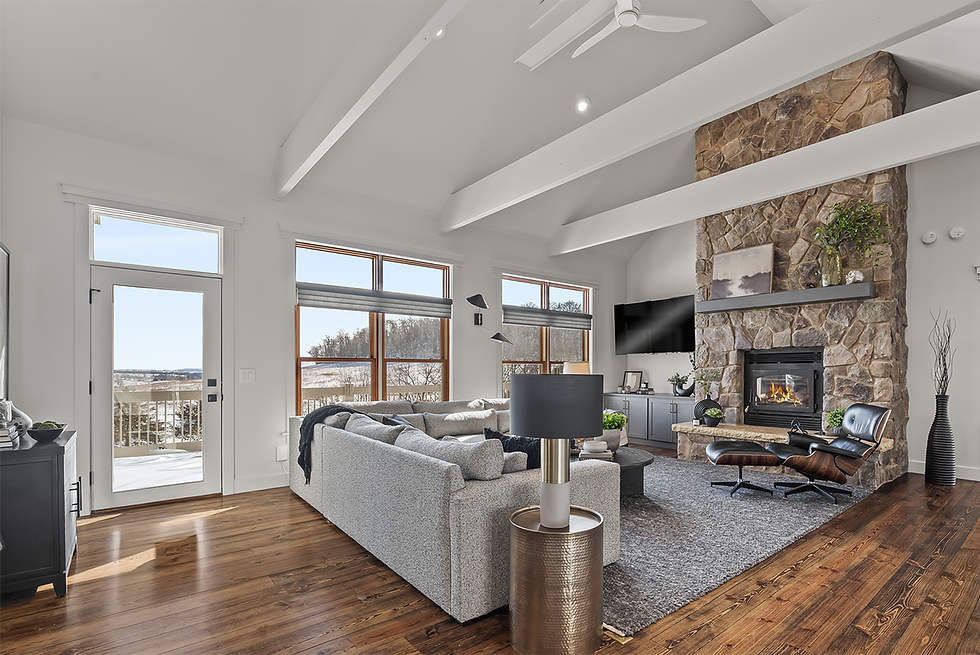
A home that feels intentional, cohesive, and fully thought through.
The TRAY Difference
We’re not here to replace contractors.
We’re here to make the entire process better—for you and for them.
Because when the plan is right:
The build is smoother
The decisions are easier
The outcome is stronger
So Before You Call a Contractor…
Start with a question:
“Do I know exactly what I want to build... and WHY?”
If the answer is no, that’s not a problem. But, that’s where TRAY comes in.
Start With Design. Then Build.
TRAY will help you define the vision, the scope, and the right path forward—before anything begins.


Comments